2.15.2007

winter wanes

As we enter the second half of February, I can feel winter waning. The light is changing from watery thin to vibrantly clear, and the days are lasting longer. I am looking forward to the warm, & yes, even hot days! The winters are not as harsh here as in some parts of the country, but, nonetheless, I've heard that this winter has had the coldest temperatures since the early 1980s. And, winter's mark has been felt.... many plants were quite frozen & may not recover.


My poor sunflower, which I use for natural dyeing, now wears a coat of bronze & silver instead of its usual verdant green & gold.


With the not so good usually comes some good, & for this winter it has been in the form of badly needed snow on the mountains & rain in the Tucson basin. We need so much more, but not wanting to upset the rain gods, I am thankful for what we have received so far!


I have started work on my next tapestry, cereus expectations; this is the image I am using as a guide to weave from. It is a digital photo I took last spring of our night blooming cereus cactus. I then used my graphic design software to "posterize" it for a more abstract look. I have been invited to submit it for possible inclusion in Tohono Chul Park's upcoming Night Blooming Cereus gallery exhibit. The park has hundreds of these cactus & holds an annual nighttime festival during the "Queen of the Night's" bloom time. Since the bloom cannot be predicted exactly, everyone holds their breath while waiting for the announcement that the blooming has begun! I hope to post a photo of this tapestry's progress very soon!

This year has been so busy already! At the end of January I attended a 5 day workshop, Sources of Inspiration in Tapestry, which was co-taught by Barbara Heller, Madeleine Darling-Tung, & D.Y. Begay at the Desert Weaving Workshop here in Tucson. Three phenomenal weavers, three styles of weaving, three ways of approaching design, three points of view regarding inspiration in weaving. Talk about inspiring!

In just a little over a week I will be attending another workshop at Desert Weaving Workshop, Color & Design, which is being taught by James Koehler. I am looking forward to having a great experience (& getting great photos to post!).

1.21.2007

tapestry postcards

desert birds postcard series - verdin


The second bird in the series is now complete! The verdin (Auriparus flaviceps) is a small, approx 4" long, insect eating bird.

They are very enjoyable to watch as they are very active, climbing & hopping nimbly & acrobatically around in dense vegetation in search of bugs. They nest in the prickliest of desert plants, including cholla cactus.

The birds I am choosing for the series are very common here in the Sonoran desert, & often live in close proximity to people's homes.

Unfortunately, many people are unaware of the existence of these birds & the benefits they provide to the environment. When people think they are "cleaning up" their properties by digging up & disposing of what they feel are "undesirable" cactus, such as cholla, prickly pear & other native plant species, leaving large patches of bare soil, they are eradicating a crucial part of this very special desert. Desert plants grow very slowly, they help to hold in moisture & reflect the intense heat, & they are home to many of the birds I plan to depict in this series.

I was inspired to create this series after weaving the first bird, a cactus wren, for a fiber art postcard exhibit held last spring at our local botanical park & museum, Tohono Chul Park. All entries had to be the exact size of a postcard, 4" x 6", & had to be mailed to the museum as actual postcards, sans envelope, box, or wrapper of any sort! I so enjoyed weaving this first small tapestry that the idea of the series was born.....


The cactus wren (Campylorhyncus brunneiecapillus) is one of the largest wrens, between 7" to almost 9" in length. Another insect eater that loves to nest in cholla cactus, it is also Arizona's state bird. They are very active, curious, & intelligent. Their distinctive call, which has been described by some to sound like the "chug, chug, chug" of a car engine trying to start, is heard throughout the desert in the spring.

More birds will be added to the series... I have so many favorites, I'm not sure when the series will end or how many birds will end up in it! It is my hope that seeing these birds will make people stop & think before they make the choice to destroy the desert where these birds live.

1.07.2007

2007 - a fresh new year, a fresh new tapestry


monochrome macro series: agave

As the new year begins, I have a great start on my weaving goals! My first piece of the year is completed & it is the first in a new series of four I have planned.I wove this from a macro digital photo I took of a leaf of one of our agave plants. During growth, the leaves unfurl from the center rosette, revealing impressions of their marginal spines on the surfaces of the younger leaves underneath. These are the actual colors of the agave.... nature's "natural abstract"!

I am submitting it for consideration to be included in the Intermountain Weavers Conference sponsored exhibit Fiber Celebrated 2007, held in Durango, Co this July.


detail of monochrome macro series: agave


More completed works to be added soon...

12.11.2006

winter in the desert


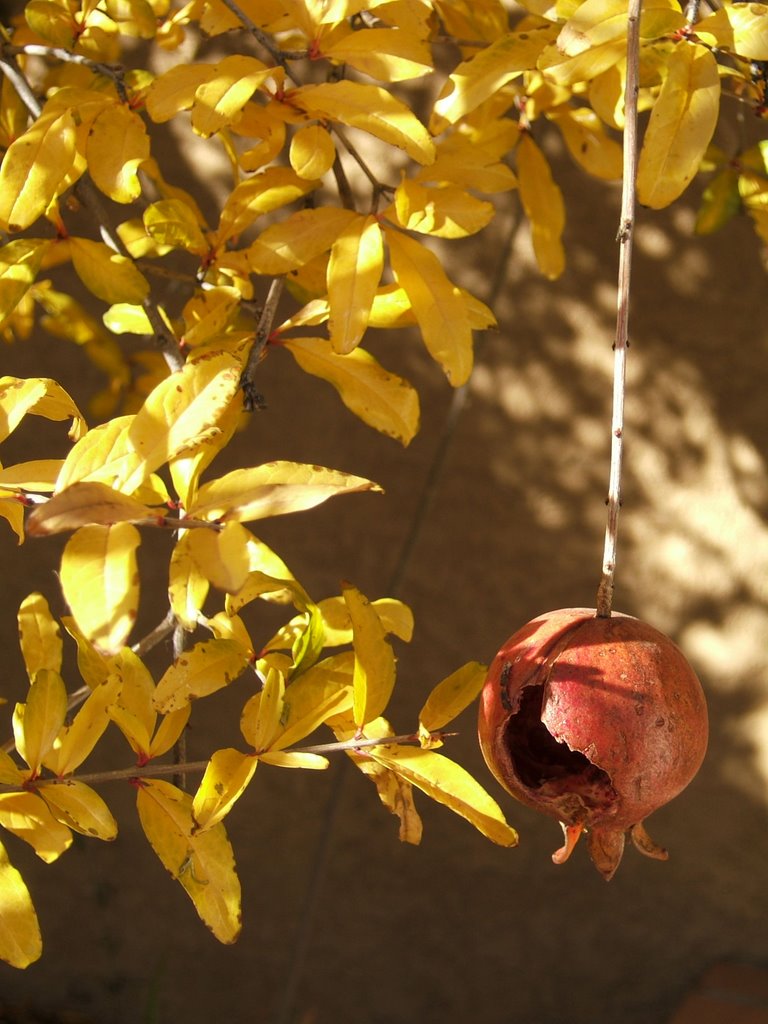
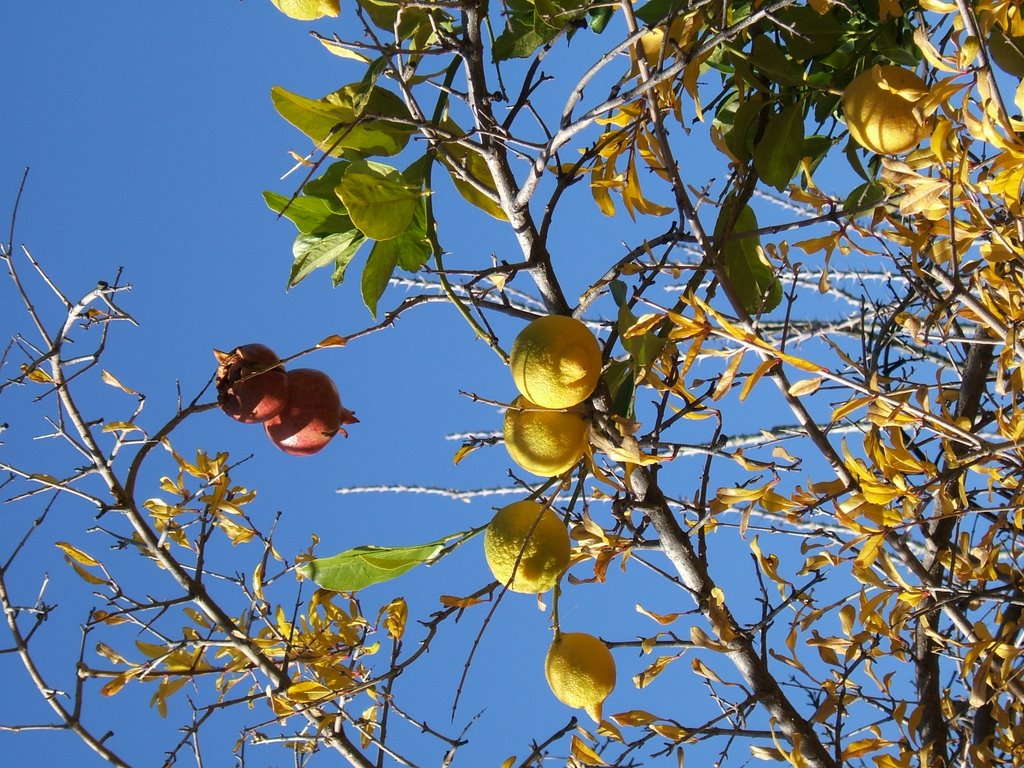
Winter is here.... one of my favorite winter sights is our startling blue winter skies framing the now golden leaves of our pomegrante tree & the dark red, leathery hulls of the fruit hanging empty after the birds' fall feasting. Our lemons begin to turn yellow & weigh down the branches of the lemon tree. This same tree was the "babysitter" during the past spring & summer for our bobcat kitten who is now half grown & has a new little sibling. Desert life slows as the solstice approaches & I eagerly anticipate the lengthening of days after its passage.

My etsy store has finally generated a sale; my weaving guild craft market sales were minimal. So, my venture into the world of production apparel has had its rise & fall. I believe I am really meant to weave tapestry, but I will probably do a few shawls here & there occasionally as I enjoy weaving them with my naturally dyed alpaca.

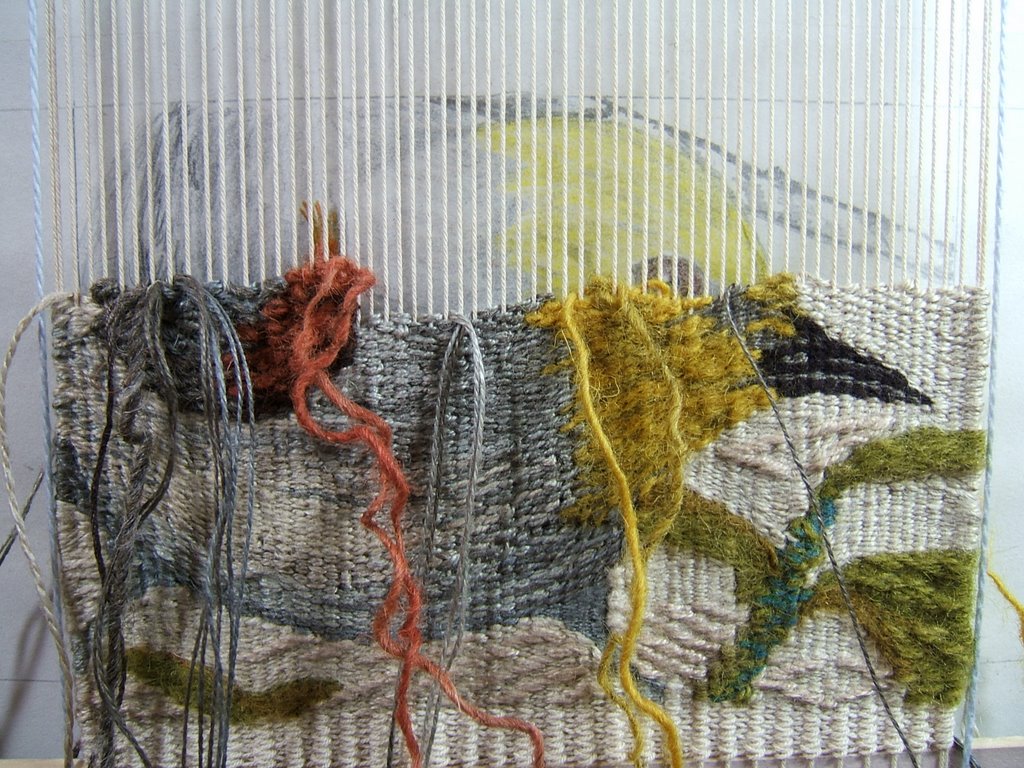
This is my current tapestry in progress, the 2nd bird in my desert birds postcard series. It is a verdin, a bird which is very common here, but often overlooked.

I have a few other tapestries planned as I have goals of submitting works to several exhibits in 2007, so please come back after the new year for more photos!

Here's wishing everyone a peace & love filled end of 2006!

10.01.2006

cooler temps have arrived & my Etsy store is open!

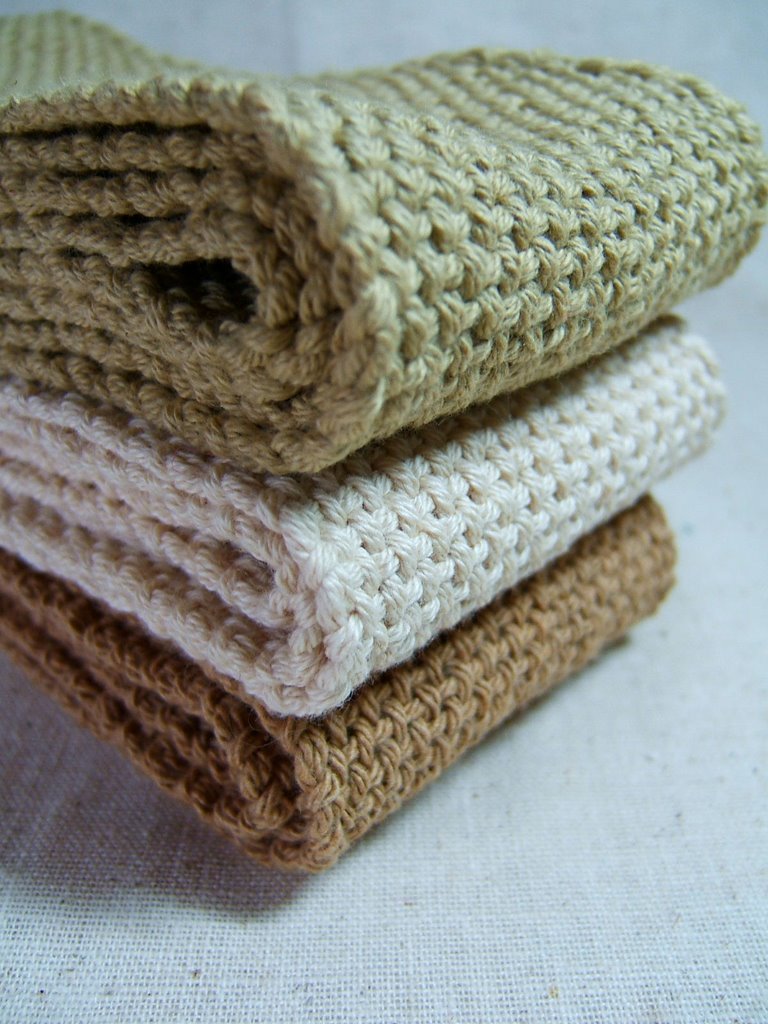
While it is still pretty warm here in the desert during the day, the nights have been cooling off. I've needed a shawl to sit outside for my morning coffee, the birds have been singing with joy, & we have been invaded by clouds of butterflies visiting our blooming plants---Aaaaaaaahhhh!!! The coolness is a relief after our hot summer, & I have been very busy weaving for my new Etsy store which is now open-- http://desertsongstudio.etsy.com (to go there, click on the link "visit my online shop" located on the right under "about me"). I'm also weaving items for my weaving guild's booth in the Tucson Museum of Art Craft Sale which is held every November. I have even managed to squeeze in a little tapestry weaving time in the midst of the weaving frenzy. I will let the photos tell the rest of the tale........


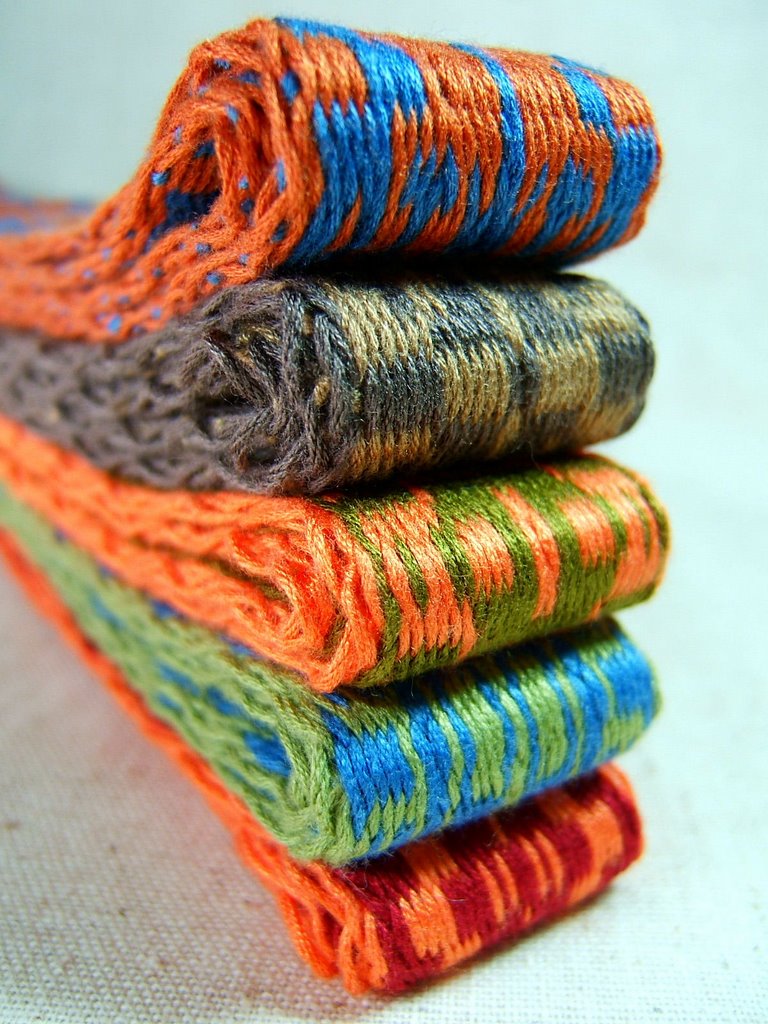
A stack of my tofu thinny scarves-- tofu because the fiber is made from manufacturing waste from tofu production, & thinny because they are skinny & thin, just right for the desert & other warmer climates! I am also weaving them in other soy fibers, cotton & organic cotton, & merino wool.


Bamboo tablet woven belts.


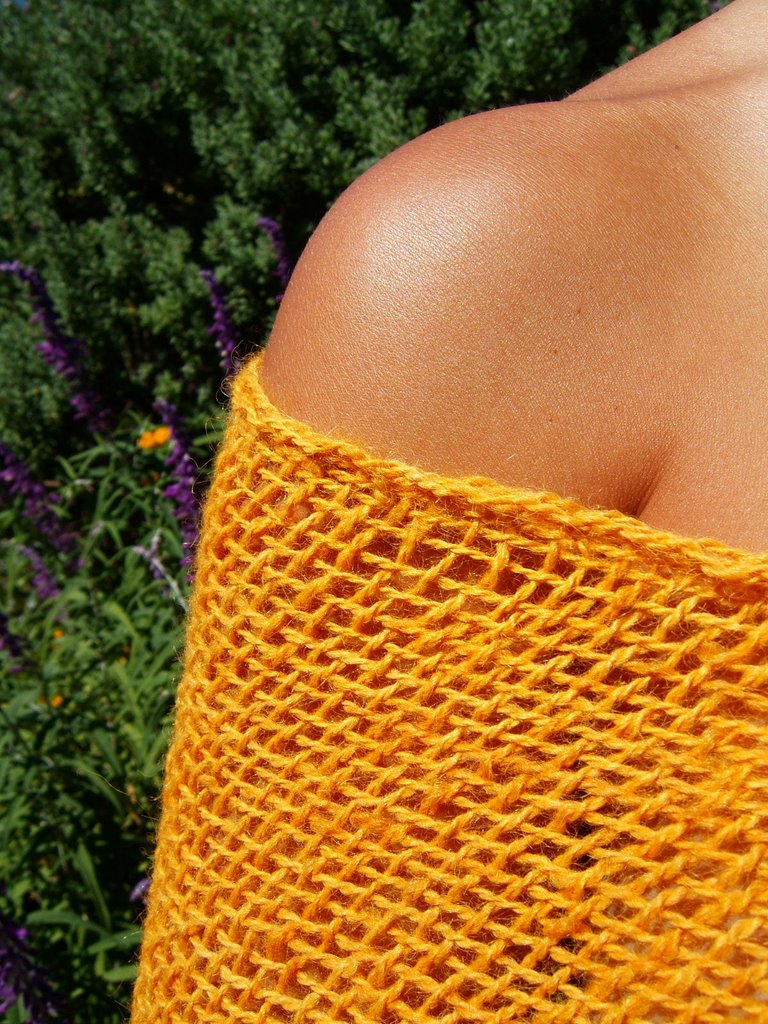
My shawls are woven in naturally dyed alpaca, cotton, & organic natural colored cotton. The fibers for this one were dyed with marigold & madder root.


Weaving progressing on my first piece on my large upright floor tapestry loom -- a rug woven from some of my natural dyed wool. The colors you can see came from using trimming from our chapparal sage.